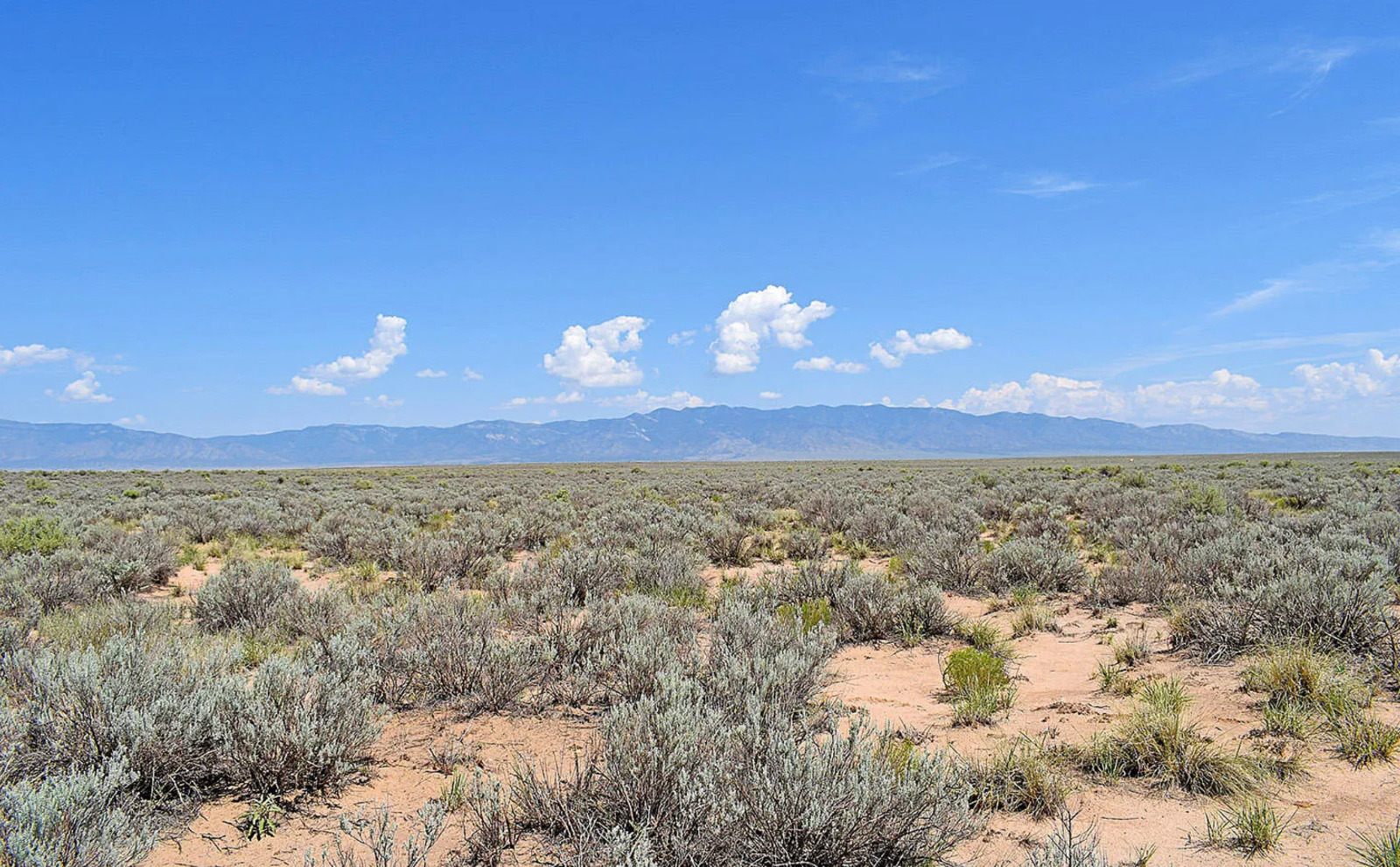
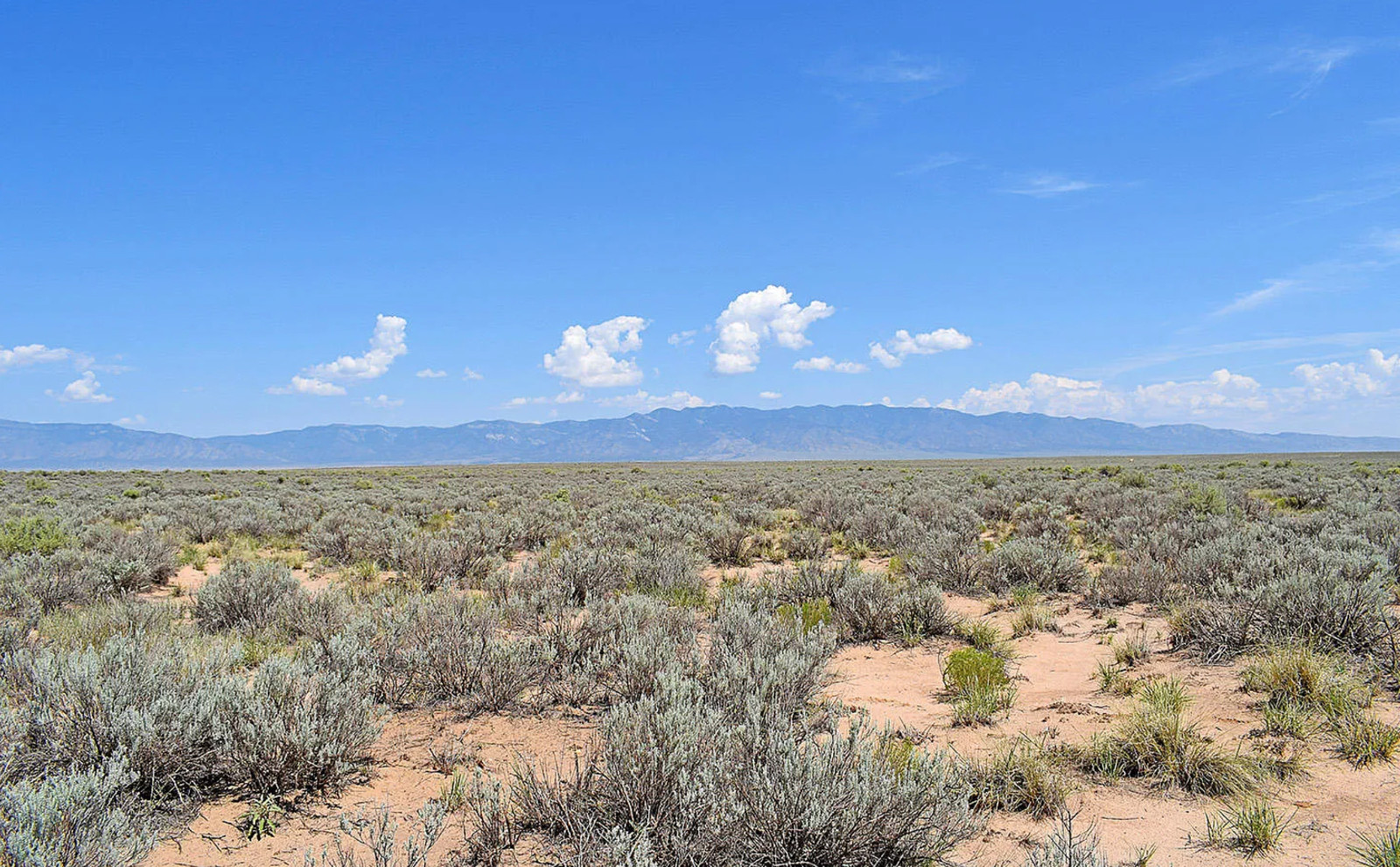
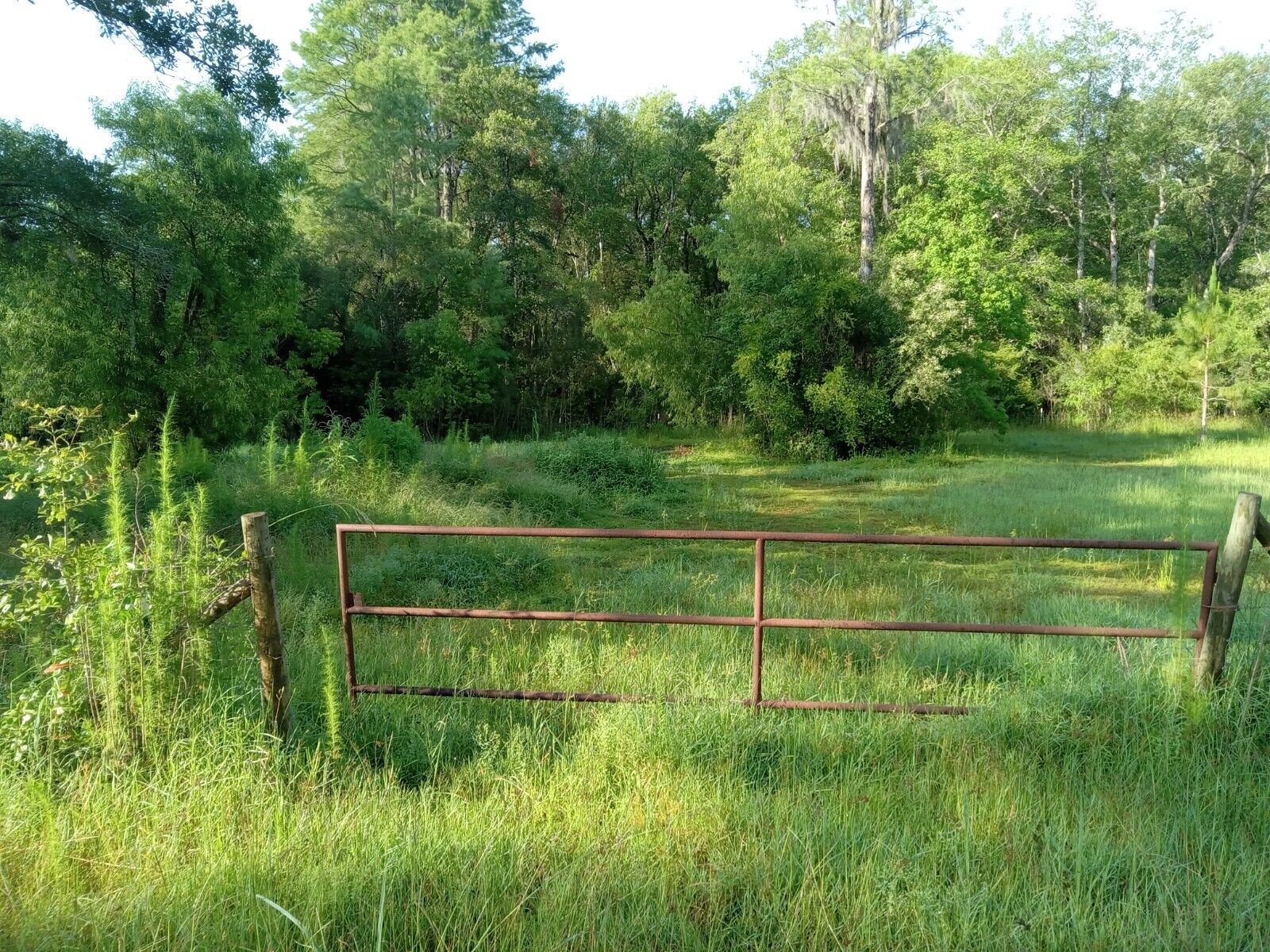
Town of Alamosa 25 miles north from the property

Alamosa is surrounded by rugged mountain peaks and numerous recreation opportunities including the City owned Cattails Golf Course. The Rio Grande Scenic Railroad provides excursion trains from Alamosa to La Veta and a connection to the Cumbres and Toltec Railway. The train route takes you through breathtaking country you can’t see from the highway. Home to Adams State College and Trinidad State Junior College, higher education opportunities and cultural events abound. The Sand Dune National Park offers one of the most unique and diverse national parks. With soaring peaks, wetlands, tundra, and the tallest sand dunes in North America, there is much to do and see. With many hotels and restaurants the City of Alamosa is a wonderful place to stay as you enjoy the San Luis Valley, it has as well numerous stores, super markets, churches, movie theaters, bowling alleys, restaurants and lounges, banks, a saving and loan association, and camping facilities.
Costilla County
Costilla County was the first area of the state of Colorado to be colonized with recorded history dating back to 1540, the year Coronado explored the Southwest. It is home to the oldest town in Colorado, San Luis. Costilla County has two incorporated towns and several smaller communities. The towns of San Luis and Blanca are incorporated while Fort Garland is one of the county’s larger towns though not incorporated. Chama, San Pedro, Los Fuertes, Garcia, Jaroso, San Francisco, San Acacio, and Mesita, are smaller communities, all of which were established shortly after the town of San Luis in 1851.
The county also has a few reservoirs: East dale Reservoir; Sanchez Reservoir, Smith Reservoir, and Mountain Home Reservoir. All are excellent for fishing and boating. One may catch walleye, pike, and several species of trout, bass, and a few other types of fish. Costilla County is also home to much wildlife such as deer, elk and antelope, which may often be seen in herds grazing in the fields. Coyotes, bears, bighorn sheep, and mountain lions also make their homes here. Costilla County
offers some of the best big game hunting in Colorado.
The Town of San Luis is home to the Stations of the Cross Shrine. The Shrine sits on top of a mesa in the center of San Luis. The shine represents the last hour of Christ’s life, to his resurrection. Attracting thousands of guests a year, visitors come to pray and bring peace to themselves. Every year, hundreds of people walk from as far as Pueblo, CO, to the Stations of the Cross Shrine in what is known as a pilgrimage. All of the sculptures of the Stations of the Cross were created by local artist Huberto Maestas, who also has a gallery and sculpting studio in San Luis. Some of his work can also be seen on the Plaza in Taos, NM and at the Jack Dempsey Museum in Manassa, CO. La Capilla de Todas los Santos, a Catholic Chapel also sits above the Stations of the Cross Shrine.
San Luis is home to the Sangre de Cristo Parish Church, which was built in 1886 and to the R&R Supermarket, which is the oldest continuously operating business in Colorado dating back to 1857. At the San Luis Museum and Cultural Center, you can see everything from butterfly and insect collections to steps in pottery making, carnival masks, civil war history, and a replica of a Morada room, as well as a replica of San Luis from 1851. Pictures and murals depict the history of San Luis in the museum. The museum itself was built in the 1930’s, but did not get completed until 1944.
Fort Garland is home to the Fort Garland Museum, which is an old frontier army fort built in 1858. It was once commanded by the famous frontiersman Kit Carson, although he didn’t take over the post until 1866-67. Carson had orders from the government to keep peace in the San Luis Valley; therefore no battles were ever fought on fort grounds. The fort served only as a show of force and a staging area to protect settlers from the Ute Indians. Today it is a museum where you can learn about military history and walk the grounds. Memorial Day weekend the Fort Garland Museum is host to a three day festival of re-enactments, stories, songs, and dances depicting the cultures and occupations indigenous to Costilla County including Hispanic, Ute and fur trapping.
The Town of Blanca is known for its views of Blanca Peak, which stands 14,345 feet tall. Both Blanca and Fort Garland are small communities in Costilla County along Colorado State Highway 160. In these towns, you will find a variety of restaurants, hotels and lodges and gift stores that carry leatherwork, handmade jewelry, souvenirs and Indian crafts.
San Acacio, a small village just west of San Luis, has a church, which is the oldest Christian structure in Colorado built in 1856.
Also in San Luis is 633 acres of communal grazing land called La Vega, which is part of the Sangre de Cristo Land Grant.
Although Costilla is mainly a farming and agriculture county- it still brings visitors by the thousands year round from far and wide.
Historical Towns, Activities and Area Attractions
Everywhere you go, majestic mountains surround the many attractions and provide the ultimate environment for the outdoor enthusiast. Area attractions include the Sangre de Cristo Mountains, the Great Sand Dunes National Park, the Alamosa, Monte Vista and Baca National Wildlife Refuges, the Gold Medal fishing waters of the Rio Grande, Penitente Canyon, Cumbres & Toltec Scenic Narrow Gauge Railroad, numerous natural hot springs (including the Colorado Gator Farm), the San Isabel National Forest, the Rio Grande National Forest, and the Carson National Forest.
Other activities in the area are hunting, camping, hiking, skiing, fishing, bird watching, mountain biking, horse riding, kayaking, snow mobiling, water rafting, golfing (Golf Courses are located in Alamosa, Monte Vista, Walsenberg, and Taos) and other attractions like Alamosa City Park, Conejos with Colorado’s Oldest Church, Creede-Famous Gold mining Town, Crestone Needle, Cumbres Pass, Cumbres and Toltec Scenic Rail Road (Antonio), Fort Garland (Home of Kit Carson), Great Sand Dunes National Monument, Kit Carson Creek, Kit Carson Trail, Manassa (Birthplace of Jack Dempsey, the Manassa Mauler), Monte Vista (the Sky-Hi Stampede and Rodeo), Mount Blanca (14,325 Feet High), Pike’s Stockade, Platoro Reservoir, San Luis (Colorado’s Oldest Town and first Spanish Mission), South Fork, Wheeler Monument (The Famed Priceless Pinnacles).
Alamosa National Wildlife Refuge, approximately 56 miles north from the property
Alamosa National Wildlife Refuge was established in 1962 as a haven for migratory birds and other wildlife. 14,345 foot Mt. Blanca of the Sangre de Cristo Mountains provides a stunning backdrop for this 11,169 acre refuge.
Alamosa NWR consists of wet meadows, river oxbows and riparian corridor primarily within the flood plain of the Rio Grande, and dry uplands vegetated with greasewood and saltbush. These areas support songbirds, water birds, raptors, mule deer, beaver and coyotes.
Monte Vista National Wildlife Refuge, approximately 57.8 miles north from the property
Monte Vista NWR was established by the Migratory Bird Conservation Commission in 1953 to provide a much needed habitat for wildlife, particularly waterfowl, in the San Luis Valley. Water is intensively managed on Monte Vista NWR. Using numerous dikes and other water control structures a patchwork pf diverse wetland habitats ranging from shallow wet meadows to open water. Artisan wells, pumped wells and irrigation canals, some dating to the “ditch boom” of the 1880’s, supply water. Many other management tools, including mowing, grazing, prescribed burning and farming are also used to ensure that refuge lands continue to provide food, cover and nesting habitat for waterfowl and other water birds.
The refuge is a major stopover for migrating greater sandhill cranes moving between their wintering area around Bosque del Apache National Wildlife Refuge in New Mexico and breeding grounds in the northern United States and southern Canada. Up to 20,000 cranes pass through in the spring and again in the fall. Three remaining endangered whooping cranes from a failed attempt to establish a wild migratory population in the 1980’s can be seen migrating with their foster species, the sandhill crane. Beginning in the l980’s, a herd of elk began using the refuge. At present, several hundred elk may be seen on the refuge seeking winter food and sanctuary from hunting pressure on nearby public lands. In the San Luis Valley, desert and wetlands exist together side by side. Monte Vista National Wildlife Refuge ensures wildlife a continuing place in this unique environment. The refuge may be viewed along a 4 mile auto tour and from county roads open year round.
Baca National Wildlife Refuge, approximately 67 miles northwest from the property
On November 22, 2000, Congress authorized the establishment of the Baca National Wildlife Refuge. Situated in the San Luis Valley, a high mountain desert surrounded by two 14,000-foot mountain ranges, the Refuge contains a diverse suite of habitats including desert shrublands, grasslands, wet meadows, playa wetlands, and riparian areas. Fed primarily by melting mountain snow, numerous streams flow across the Refuge providing an abundance of life in an otherwise arid landscape. The Refuge is home to a large number of wildlife and plant species. In addition to the plant and animal resources contained on the refuge, the area also is rich in historic and cultural resource sites, some of which date over 12,000 years ago.
The Refuge abuts lands owned or controlled by other conservation entities including The Nature Conservancy (TNC), the National Park Service (NPS), and the Colorado State Land Board. This complex of lands, totaling more than 500,000 acres, contains one of the largest and most diverse assemblages of wetland habitats remaining in Colorado. The Baca National Wildlife Refuge is currently closed to public access.
Great Sand Dunes National Park, approximately 38 miles north from the property
Great Sand Dunes National Park and Preserve situated approximately 59 miles north from the property, it is a United States National Park located in the easternmost parts of Alamosa County and Saguache County. Originally designated Great Sand Dunes National Monument, Great Sand Dunes National Park and Preserve was created by an act of the United States Congress on September 13, 2004. The park contains approximately 85,000 acres. The park contains the tallest sand dunes in North America, rising about 750 feet (230 m) from the floor of the San Luis Valley on the western base of the Sangre de Cristo Range, covering about 19,000 acres. They are perhaps 12,000 years old.
The park also contains alpine lakes and tundra, six peaks over 13,000 feet in elevation, ancient spruce and pine forests, large stands of aspen and cottonwood, grasslands, and wetlands — all habitat for diverse wildlife and plant species.